
When the Storms Hit: Bearing Witness in Santa Cruz
In early 2023, a relentless wave of atmospheric rivers battered California’s Central Coast. Roads flooded. Power flickered for days. Our neighborhood in Santa Cruz’s west side sat under water. My wife and I were still adjusting to life with a newborn, counting bottles and hours of sleep while wondering if the next round of storms would reach our doorstep.
In those uncertain days, one of the few constants was Lookout Santa Cruz. Amid evacuation notices and flooded streets, their reporting didn’t stop. It was immediate, human, and rooted in community. At the center of that coverage was a photographer named Kevin Painchaud, who worked around the clock to show not just the damage, but the people behind the headlines.

“There was absolutely no playbook, no script, no plan that had been put in place beforehand to cover the storms the right way.”
— Kevin Painchaud
Kevin was soaked through, camera always in hand, sometimes waist-deep in floodwater, chronicling both chaos and resilience. His images carried something I couldn’t shake: an intimacy and urgency that cut through the noise. I found myself asking a deeper question: what can we learn from those on the ground when the forces of change collide? What insight can someone like Kevin offer about how communities endure the twin upheavals of climate change and a collapsing local news ecosystem?
The Idea Behind the Film
That question became When the Storms Hit. I wanted to understand what happens when climate risks arrive, as they increasingly do, and it’s the locals who have to make sense of them. The film follows Kevin through those days of storms and recovery, as he and the Lookout team worked nonstop to keep their neighbors informed. They published over eighty stories, dozens of updates, and countless social posts during those first two weeks of the new year. That effort would ultimately earn them the Pulitzer Prize for Breaking News Reporting.
But for me, the film was never just about the weather. It’s about the collapse of local journalism, the exhaustion of those who stay, and the power of community storytelling to hold people together. When the Storms Hit became a portrait of what happens when a newsroom refuses to look away.
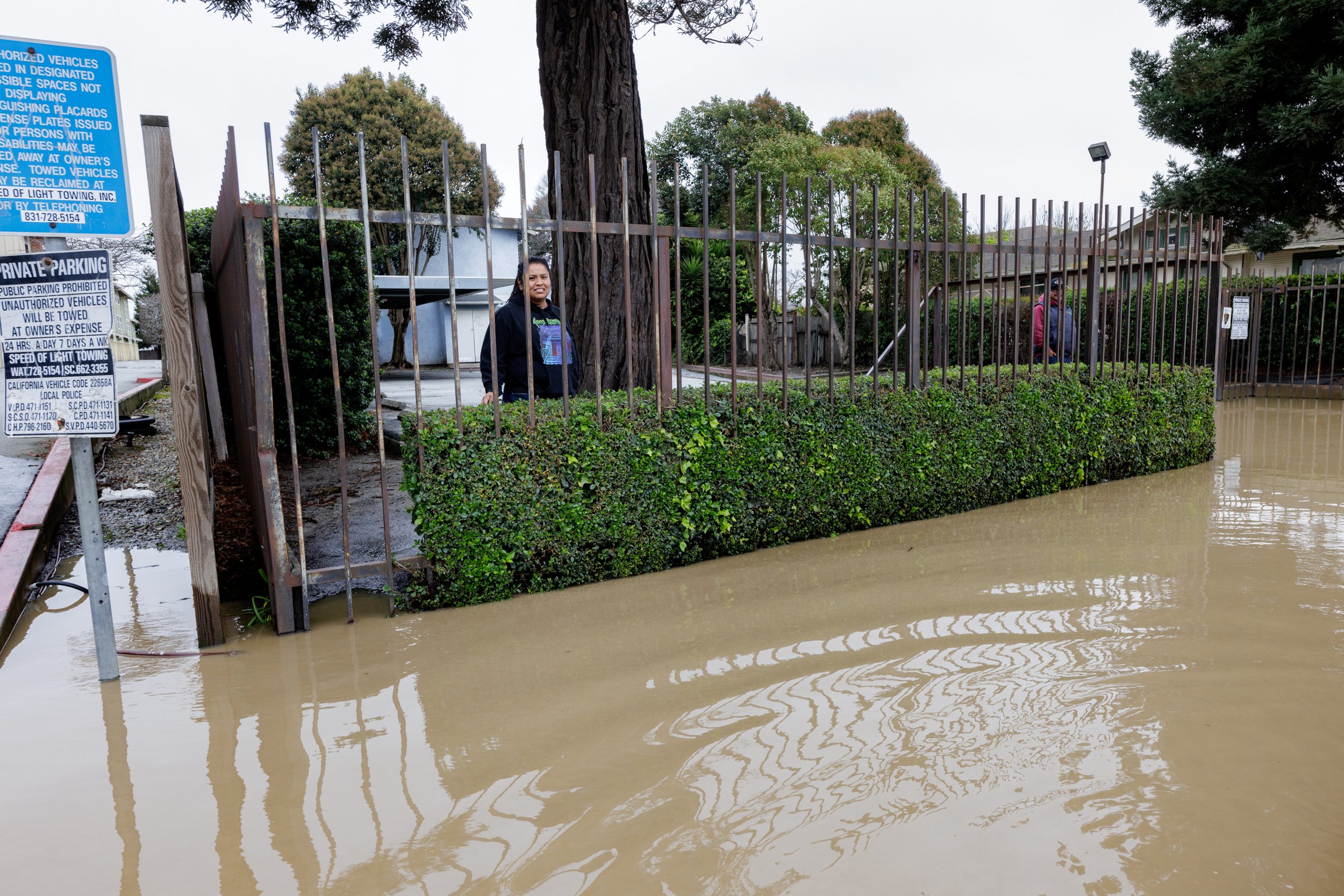
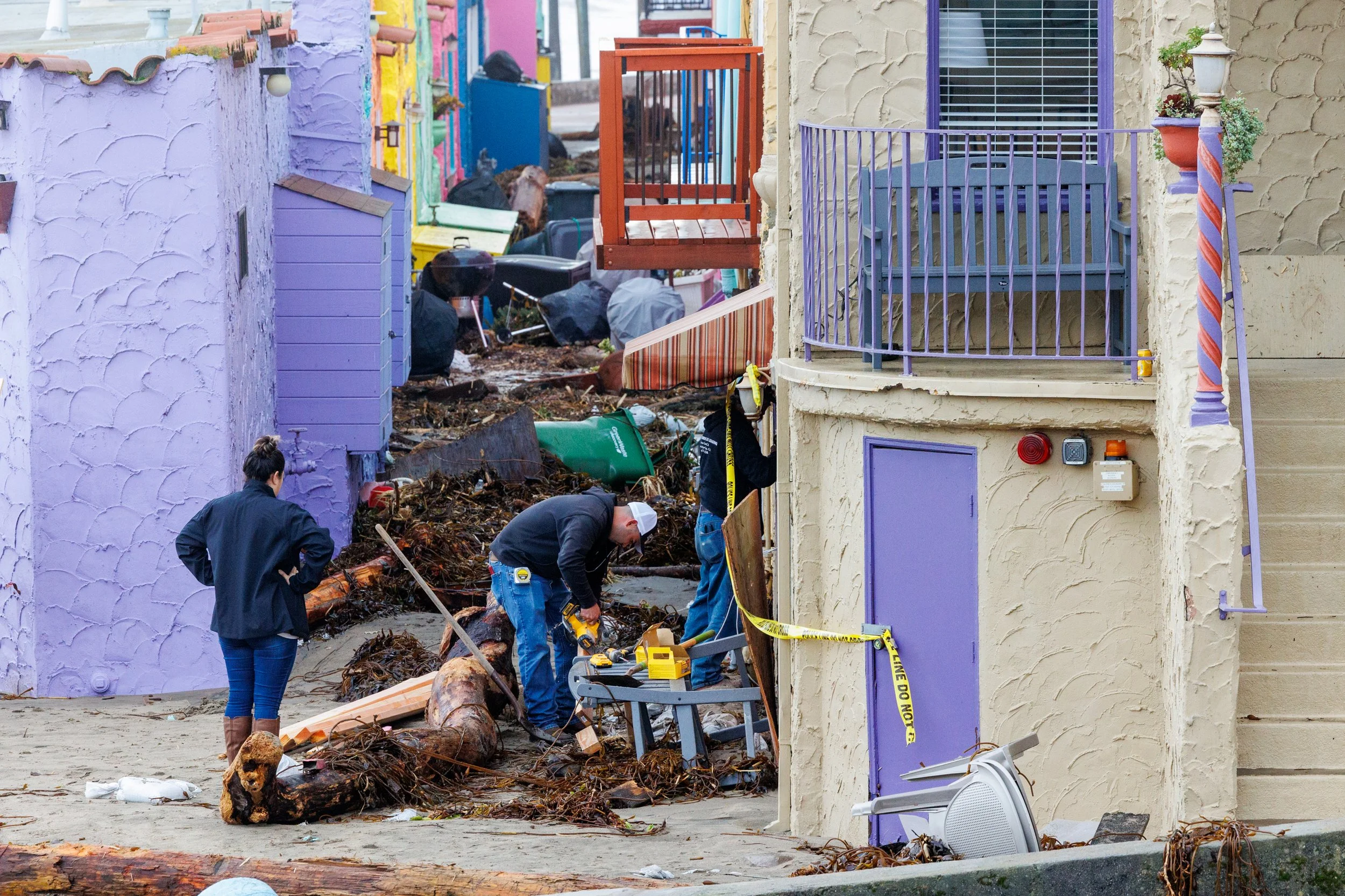
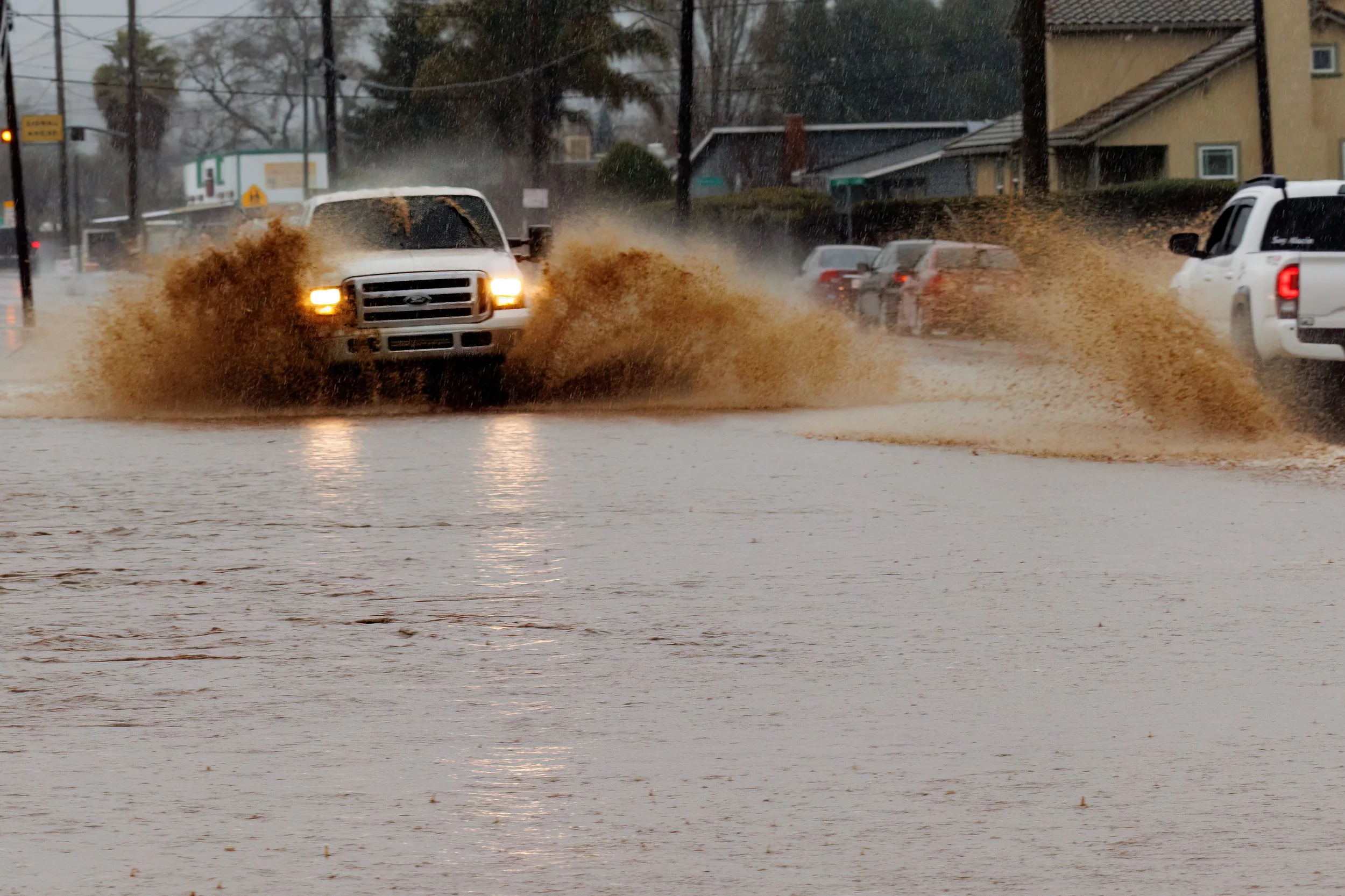
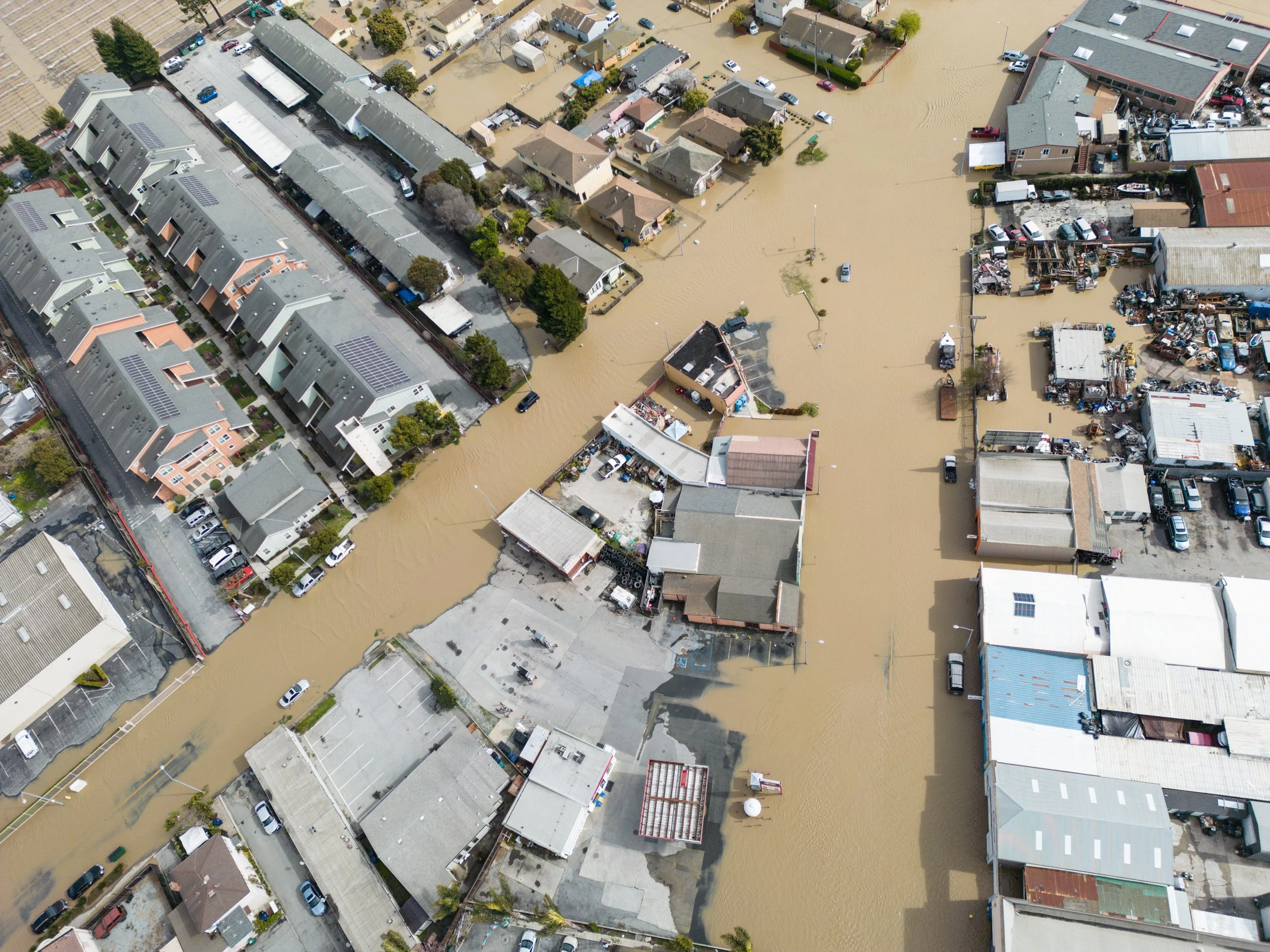
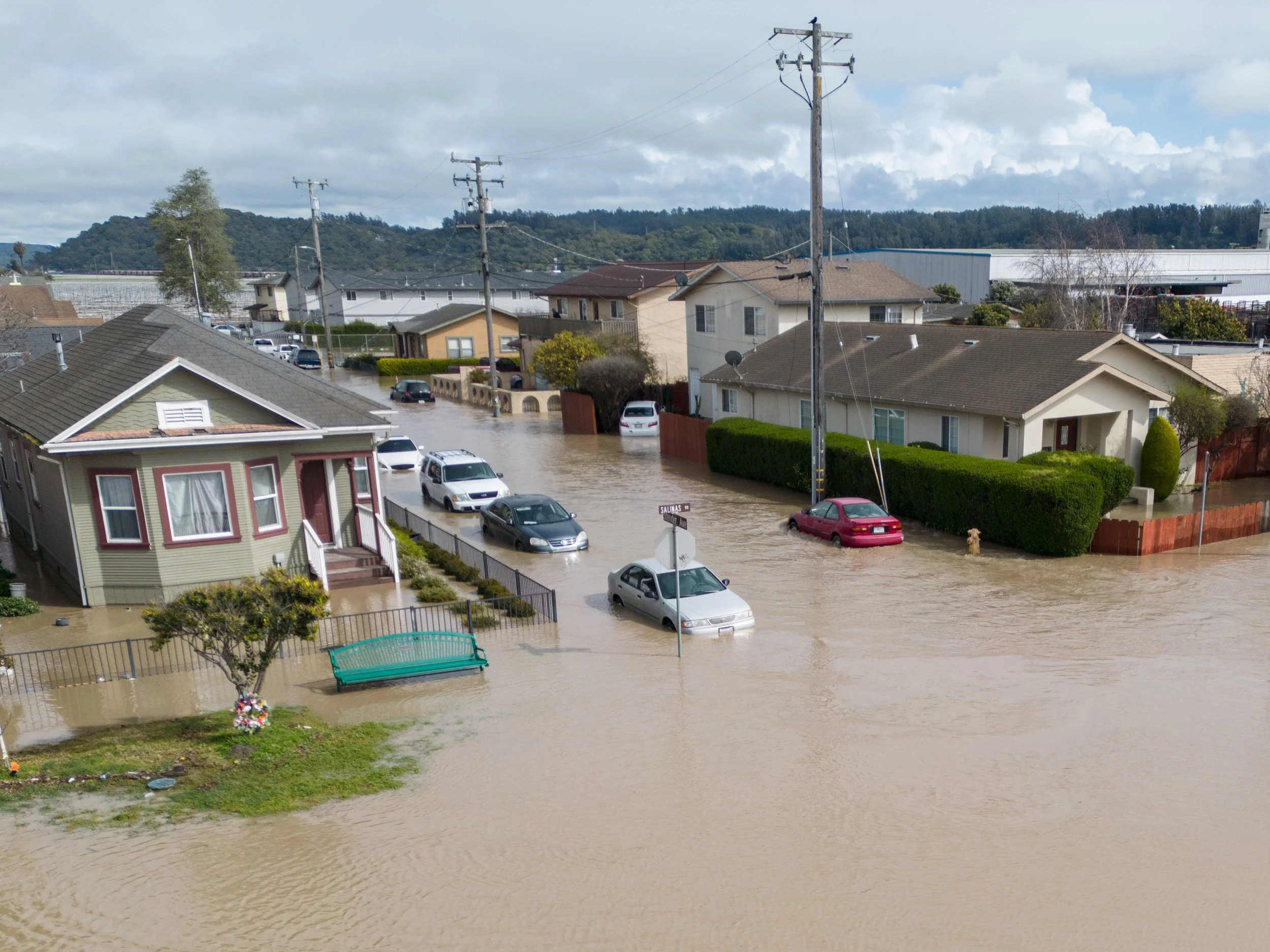
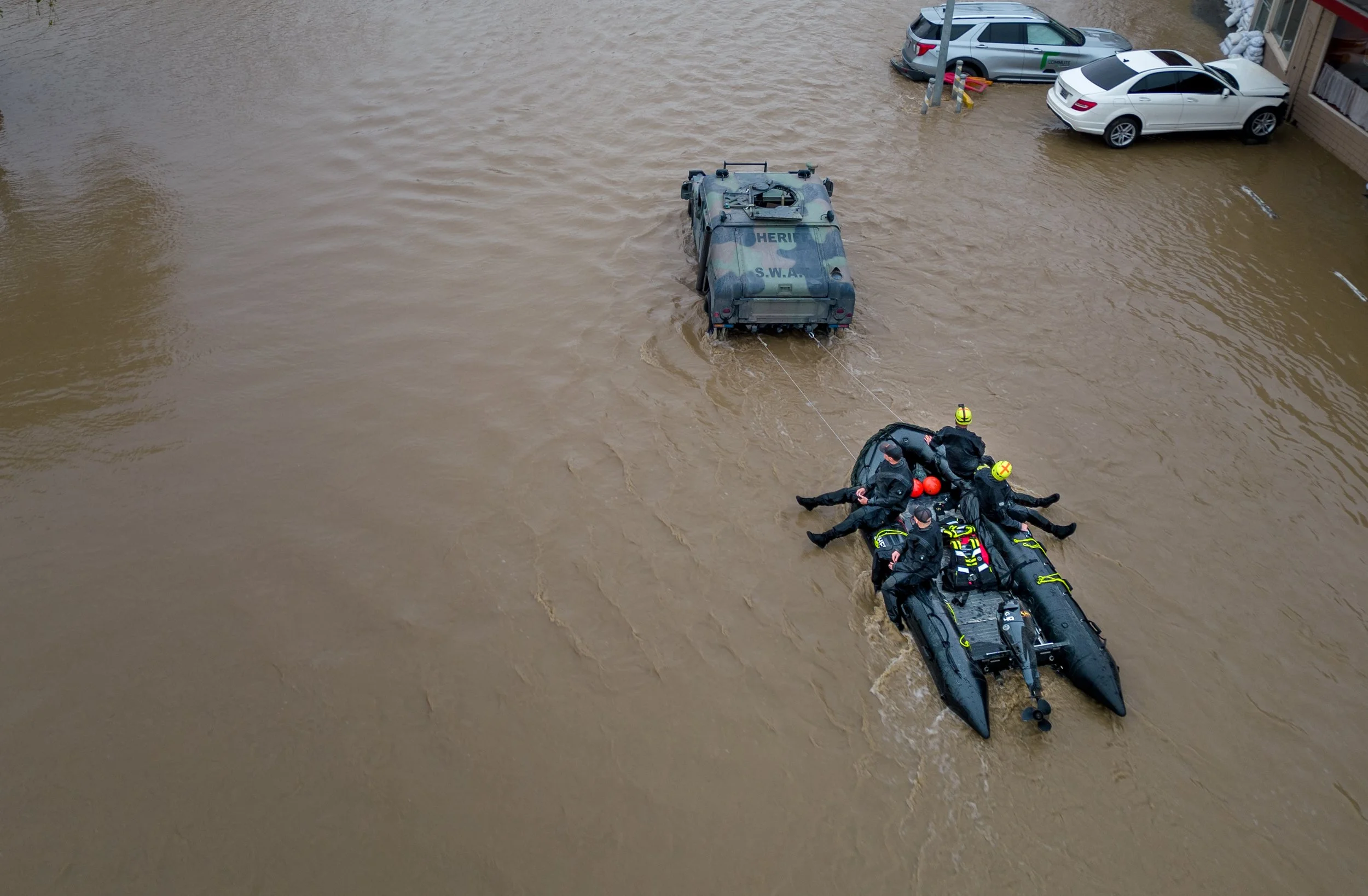
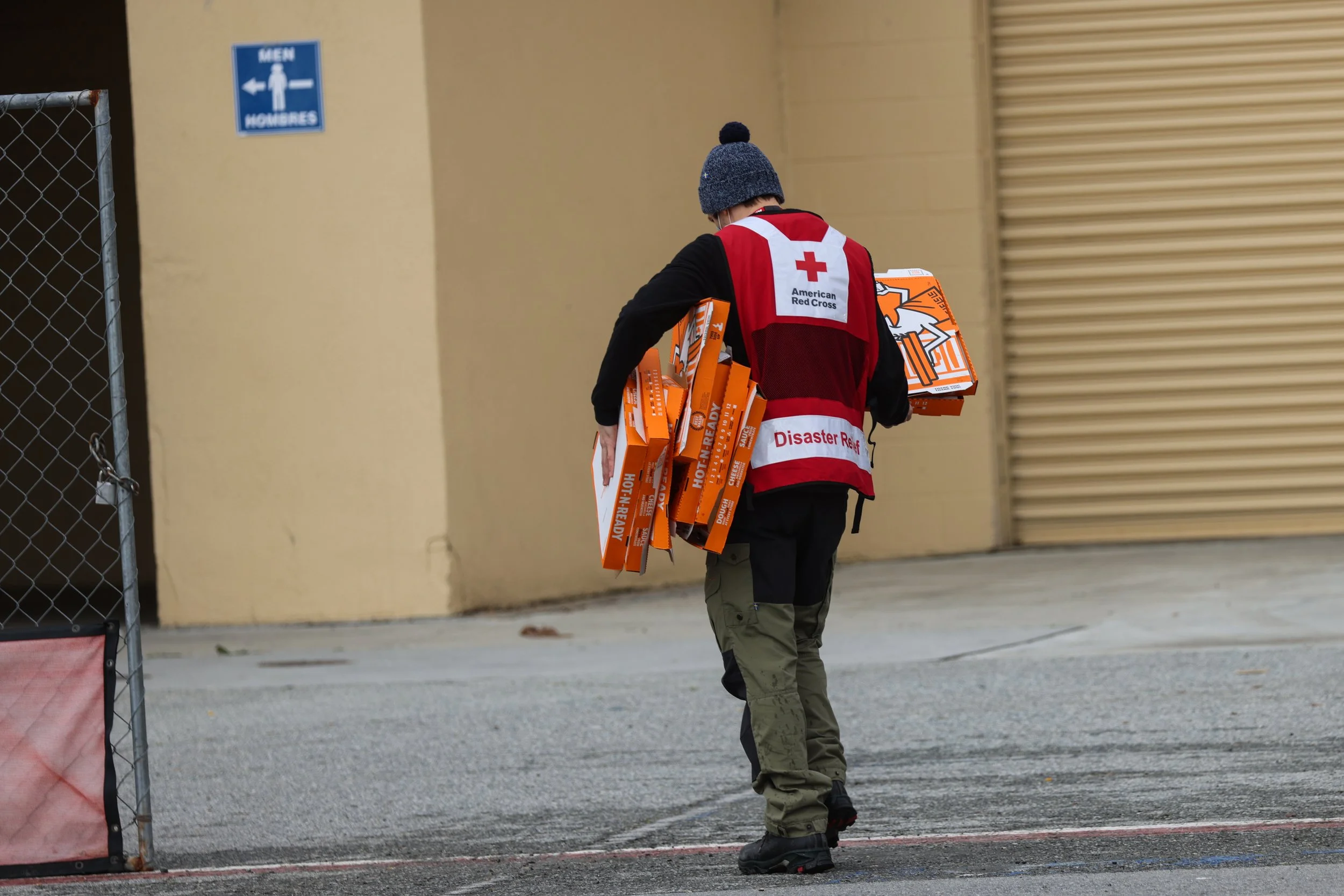
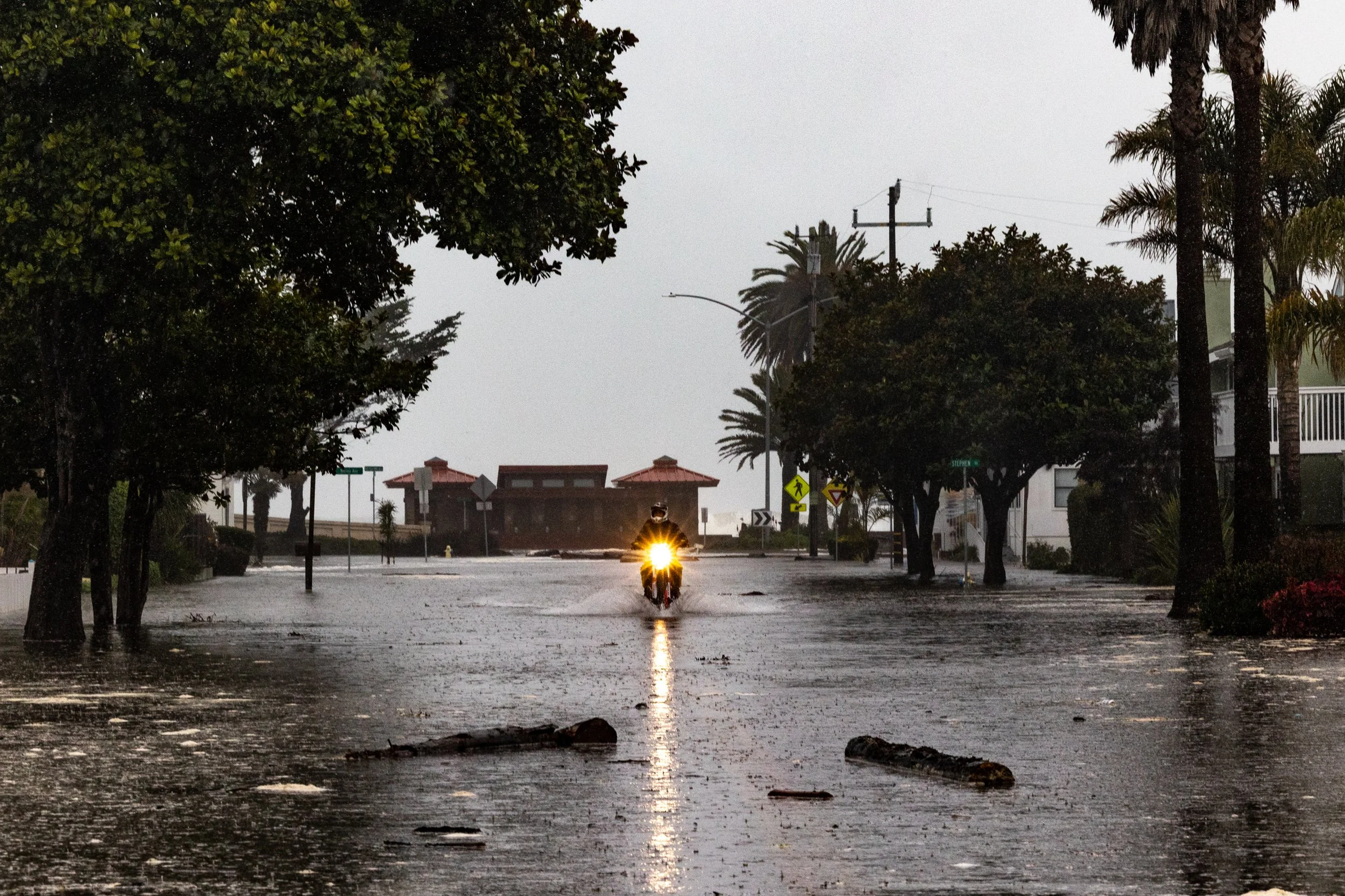
During those weeks, I kept seeing Kevin’s photographs appear online. They weren’t just documenting damage; they were documenting care. They revealed what it means to be rooted in a place, to see it suffer and still show up for it. That’s when I knew there was a deeper story here, one about the bond between a community and the people who keep its memory alive.
When Lookout Santa Cruz later received the Pulitzer Prize for Breaking News Reporting, it felt like the world looked up and noticed. For Kevin, it was a moment of being seen after years of quiet persistence behind the lens. For the community, it was something even larger: proof that local journalism still matters, that truth and proximity still carry weight. The recognition was extraordinary, but what makes their work powerful is that they would have shown up just the same without it.


“It was the first time in my life that I truly felt seen and appreciated, that my work mattered.”
— Kevin Painchaud
Bringing It to Life
The project came together quickly. We filmed in Santa Cruz during recovery efforts, built the story from vérité moments and interviews, and spent long nights shaping the edit. Even our rough cut included pieces of Kevin’s footage from the Pulitzer ceremony in New York, a full-circle moment that underscored how local work can ripple far beyond its borders.
When the Storms Hit now serves as the proof of concept for a broader series I’m developing called At the Edge of Change, which follows photojournalists across the country documenting climate-driven change in their communities. But this film, and Kevin’s story, will always be where it began for me: home.
Recognition and Reflection
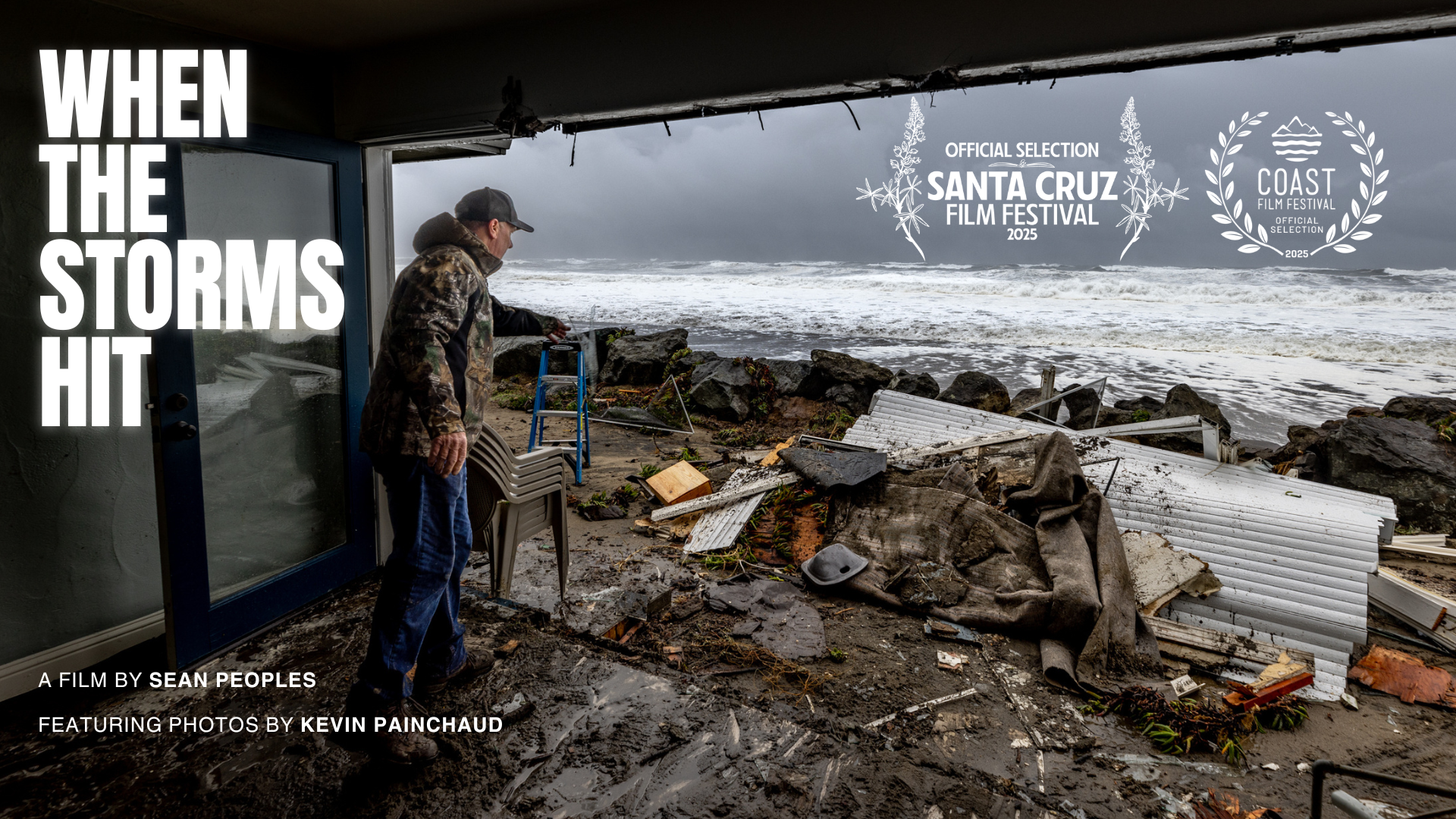
I’m thrilled that When the Storms Hit has been selected by both the Santa Cruz Film Festival and the Coast Film & Music Festival. Seeing it connect with audiences, especially here in Santa Cruz, feels like closing a loop that started in the middle of those storms.
The film is a small tribute to everyone who shows up: the reporters, photographers, and neighbors who hold the line when it matters most.