
The Emmas: Friendship, Distance, and Finding Each Other
Some stories arrive already carrying their own emotional architecture.The Emmas was one of those.
The short documentary I directed and edited for the American Kidney Fund tells the story of Emma and Emma, two young girls living in different states, connected by an ultra-rare kidney disease called cystinosis.
They live in different parts of the country. They have different daily routines. But they talk constantly.
“I talked to Emma a lot. Five, six, sometimes even seven days a week. Emma is my friend.”
That simple statement became the emotional spine of the film.
Leading With Who They Are, Not What They Have
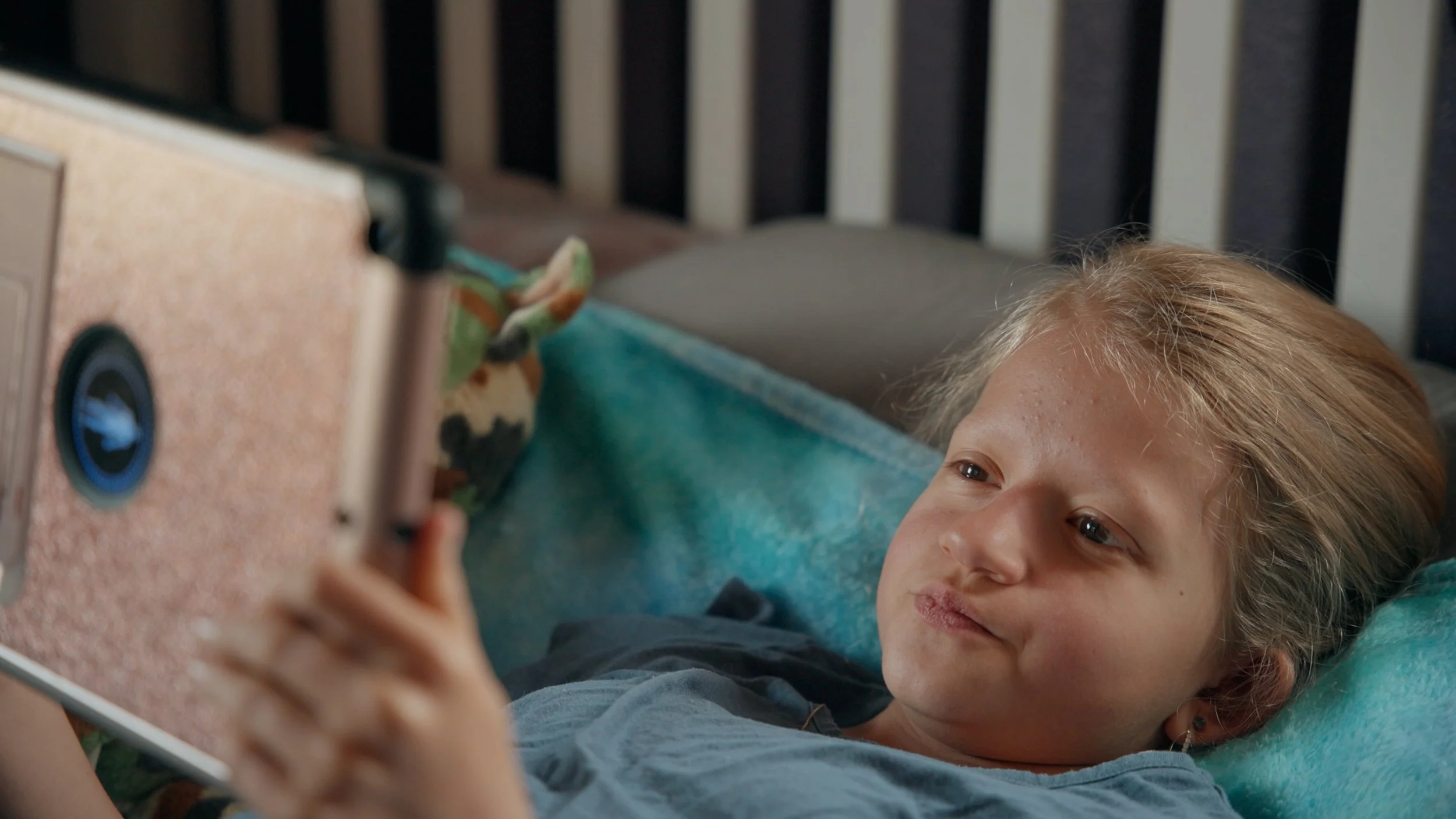
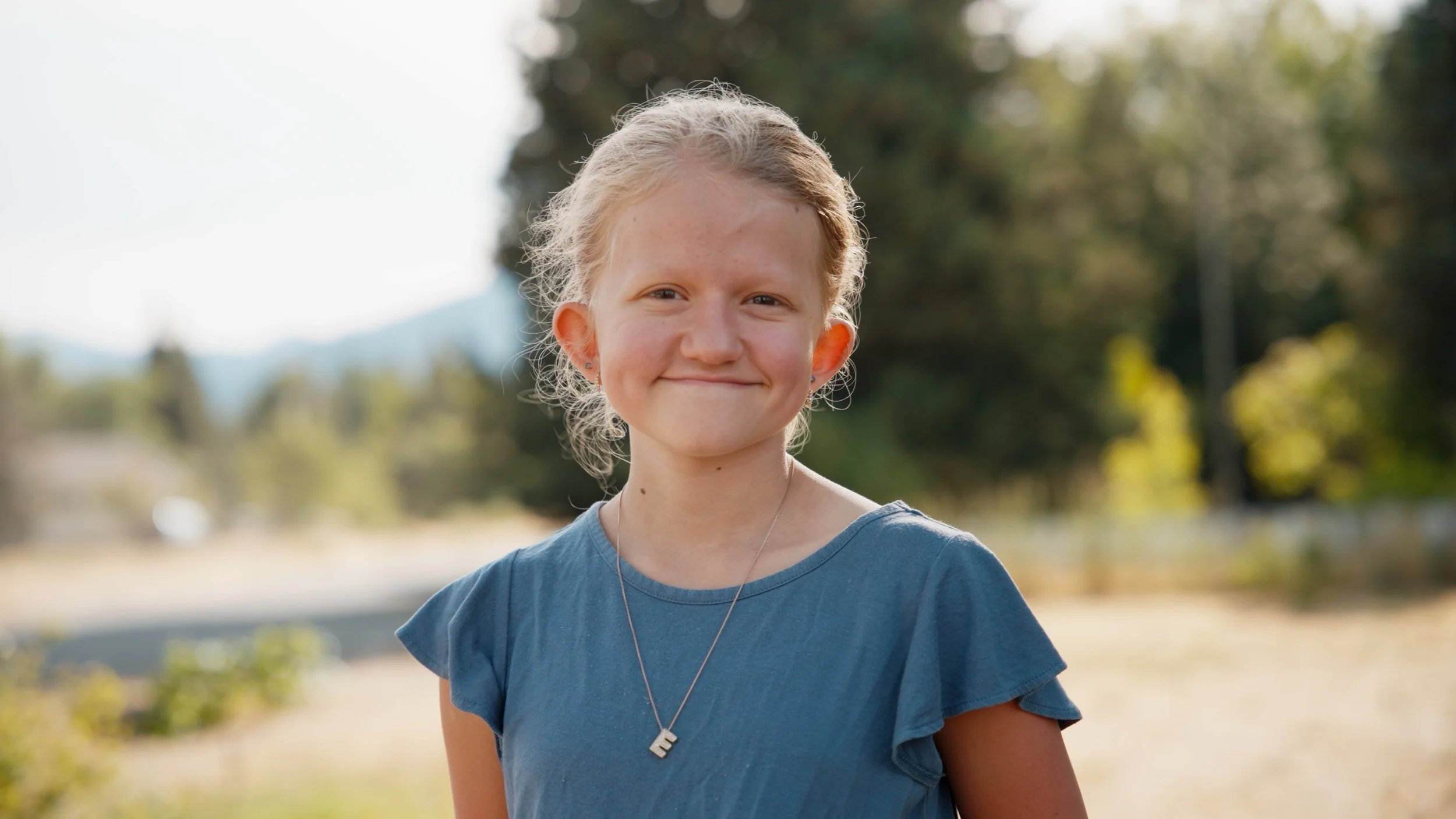
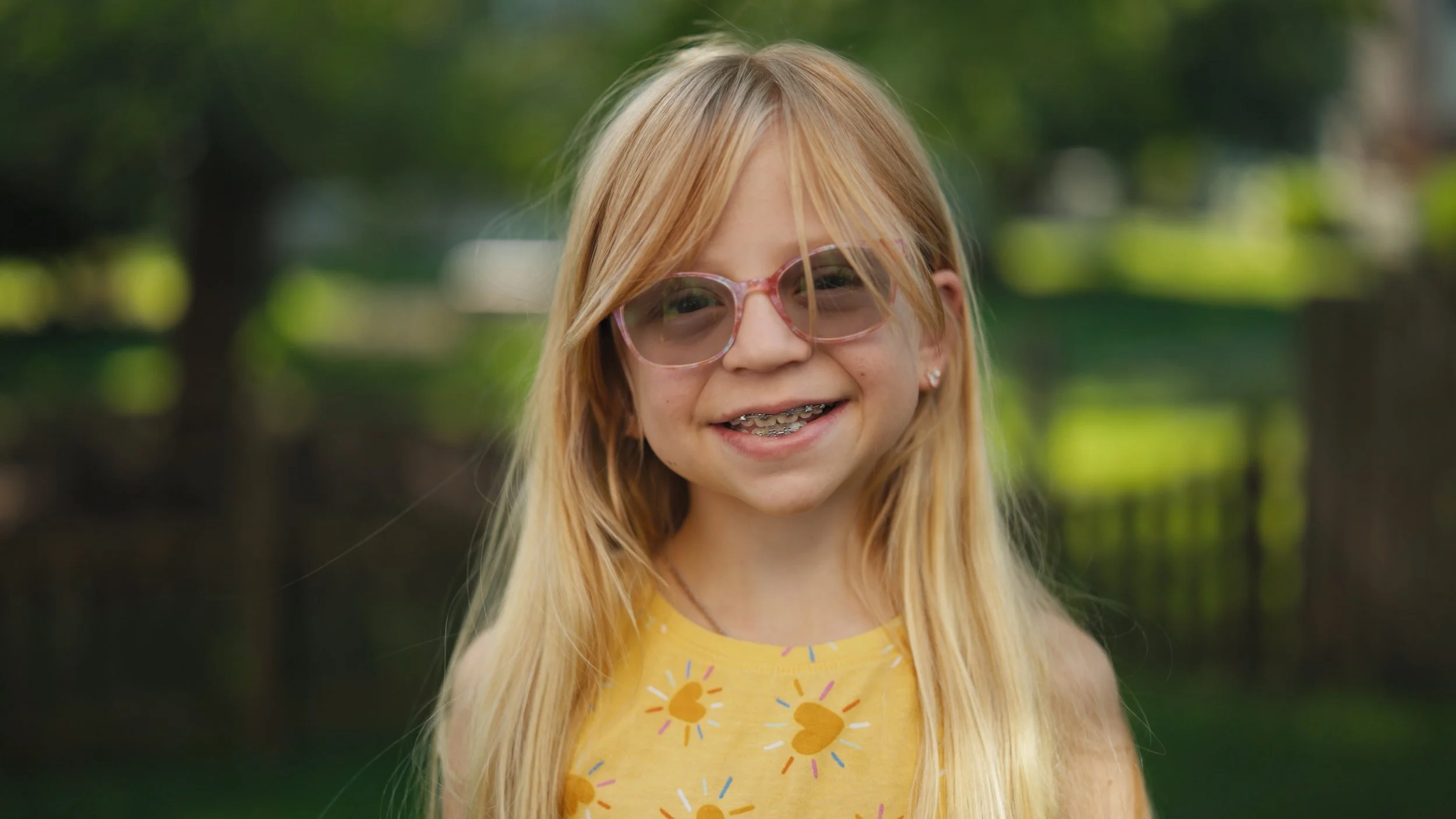
From the beginning, the goal was to avoid making a film about a diagnosis. Instead, we focused on who Emma and Emma are as people first. Their personalities, their interests, their humor, and the ease with which they relate to one another.
Only after that foundation was set did the film begin to introduce cystinosis, carefully and without spectacle.
“You wouldn’t know on the outside that she’s got cystinosis.”
That line mattered. It grounded the story in lived experience rather than explanation, allowing the medical reality to exist without overwhelming the human one.
This approach shaped every creative decision, from interview structure to shot selection. Bedrooms, hands, bracelets, and everyday moments became the visual language of the film, reinforcing intimacy and normalcy rather than clinical distance.
Camp Connections as a Bridge, Not a Backdrop
The American Kidney Fund’s Camp Connections program was not treated as a backdrop or a logo moment. It functioned as a bridge.
For Emma and Emma, Camp Connections made it possible to meet other kids living with kidney disease, to build friendships safely from home, and to feel understood without having to explain themselves.
That simplicity is exactly why it works. Camp Connections is not about spectacle. It is about access, consistency, and community, especially for kids who cannot attend traditional camps.
Designing Toward a Single, Shared Moment
Because the film was created for the Hope Affair, the story structure was designed to build toward a single emotional peak.
Neither Emma knew they would be invited to Washington, DC. Neither knew they would finally meet in person. The reveal was captured live, in real time. A team member from AKF delivered the news. “We are going to fly both of you to Washington, DC. You guys can be together in DC and watch this video on the big screen with us.”
There is no way to manufacture that reaction. The joy, surprise, and disbelief that followed were real, and the film simply made space for them to exist.
Why This Story Mattered
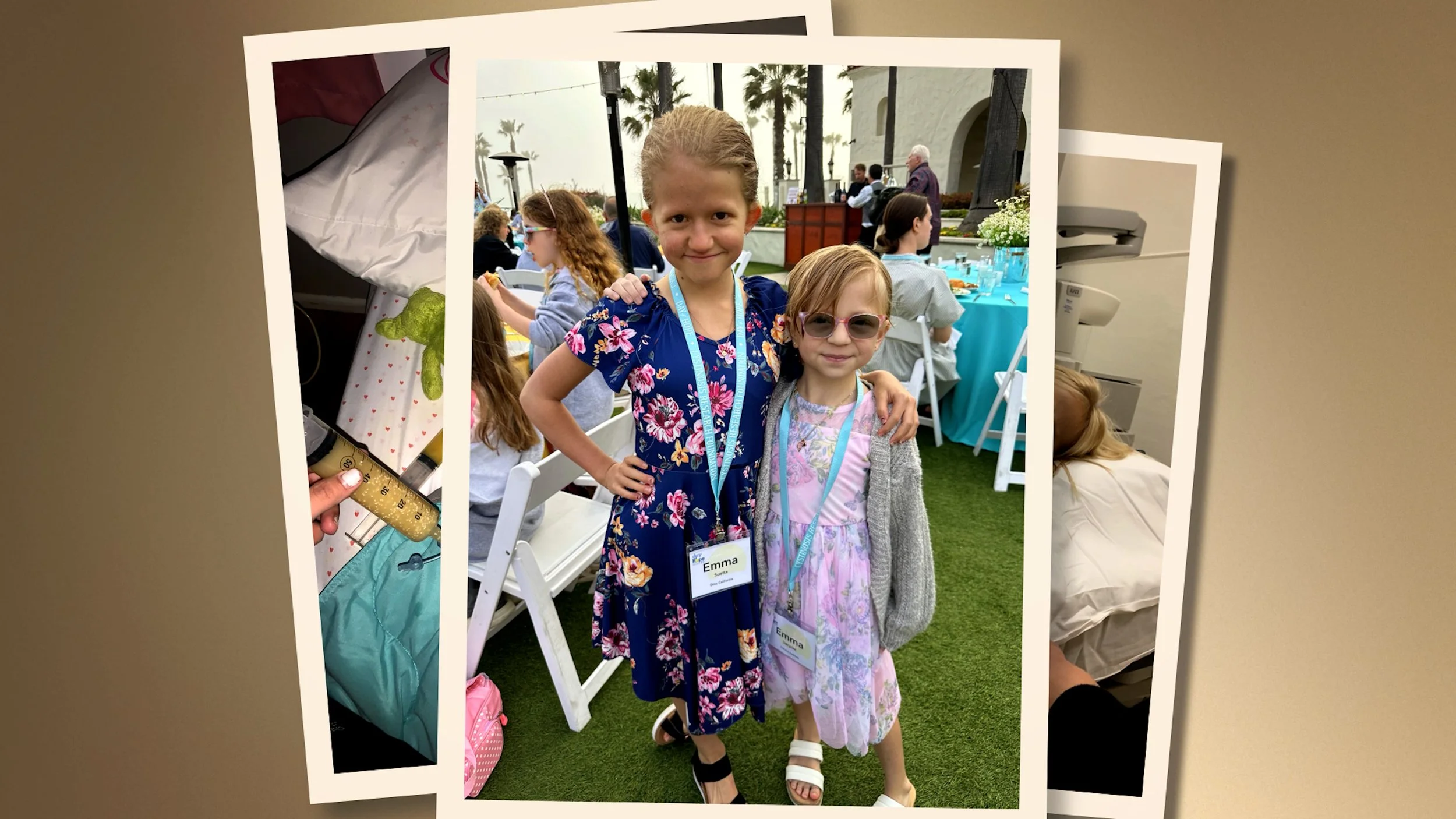
When Emma and Emma walked onto the Hope Affair stage together, the story closed a loop that had been carefully built from the first frame. Isolation became connection. Distance became proximity. Online friendship became embodied reality.
“When they’re together, it’s just like they have this big smile when they see each other.”
For donors in the room, the impact of AKF’s work was no longer abstract. It was visible, human, and immediate.
For me, this project reinforced something I return to often in my work with nonprofits. Impact storytelling works best when it resists explanation and instead creates space for recognition.
The Emmas is ultimately a story about friendship. Everything else flows from that.